Blog
Bali Temple Etiquette: What Every Visitor Must Know



Bali is the only Hindu-majority island in Indonesia, and its temples are not tourist attractions in the conventional sense. They are active, living places of worship where rituals, prayers, and ceremonies happen every single day. The offerings you see on every doorstep, the incense smoke drifting through temple courtyards, the processions that occasionally block the road — this is not performance. It is daily spiritual practice, as ordinary to the Balinese as a morning coffee is to you.
Understanding Bali temple etiquette before you visit isn’t about following a checklist of rules. It’s about arriving as a respectful guest rather than an oblivious tourist — and the difference is felt immediately by the local community that calls these spaces sacred.
This guide covers everything: dress code, behaviour inside temples, photography rules, the 2026 tourist levy, and a few cultural customs that go beyond the temple gates.
Bali Temple Etiquette Starts Before You Arrive: The 2026 Tourist Levy
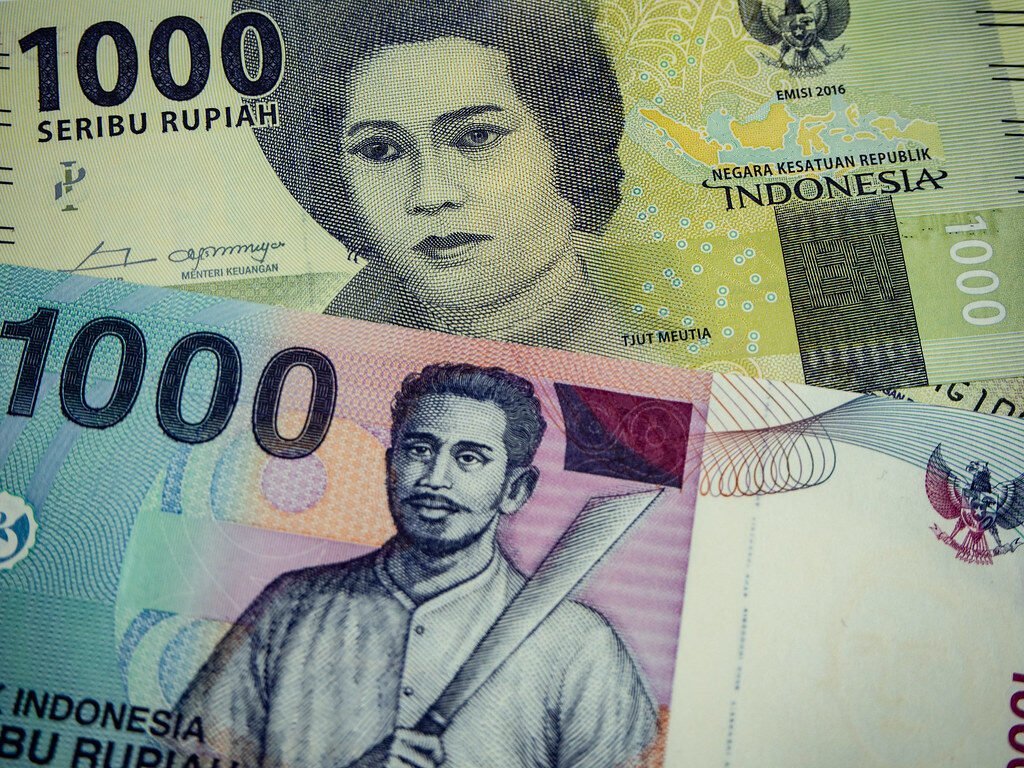
Since 2024, all foreign tourists visiting Bali are required to pay a tourist levy of Rp150,000 (approximately USD $9) per person, per trip. This fee applies to every foreign national — including infants and children — and is paid directly to the Bali provincial government via the official portal at lovebali.baliprov.go.id.
The levy is separate from your hotel bill, your visa fee, and any individual temple entrance fees. Pay it before you land, keep the QR code on your phone, and note that temples and popular sites now check QR codes more efficiently than in previous years. Skipping it means potential denial of entry to major temples including Uluwatu.
Indonesian citizens do not pay the levy. KITAS/KITAP holders and diplomats may apply for an exemption through the Love Bali website at least a month before arrival.
Understanding the Philosophy Behind Bali Temple Etiquette
The Balinese live by a philosophy called Tri Hita Karana — maintaining harmony between people, nature, and the divine. When you follow local customs, you are not just following rules. You are helping maintain the spiritual purity, or kesucian, of these sacred spaces. It shows the local community that you value their traditions as much as the views.
This is worth keeping in mind whenever a rule feels inconvenient. The sarong isn’t just fabric. The request to lower your voice isn’t just noise management. Each guideline reflects a centuries-old system of belief that the Balinese have maintained through colonisation, modernisation, and now mass tourism.
Bali Temple Dress Code: The Non-Negotiables
The dress code is the most commonly enforced element of Bali temple etiquette. Get this wrong and you simply won’t get in — most major temples have staff at the entrance who check before allowing entry.
The Sarong and Sash — Required at Every Temple
A sarong (a long piece of cloth wrapped around the waist) and a sash (a belt-like cloth) are essential to wear when entering any temple. These help cover your legs and waist, symbolising modesty. The sash is tied around your waist over the sarong — it signals that you have spiritually “prepared” yourself to enter a sacred space.
Most major temples rent sarongs and sashes at the entrance gate for a small fee (usually Rp15,000–Rp20,000). However, bringing your own is strongly recommended if you plan to visit multiple temples in a day — it’s more hygienic, more comfortable, and saves time at every gate.
Sarong tips:
- The sarong must cover your legs to at least mid-calf — it doesn’t matter what you’re wearing underneath
- Leggings are acceptable under a sarong if the sarong covers below the knees and is tied properly with a sash
- Choose light fabrics — cotton or rayon sarongs feel more comfortable in Bali’s heat and humidity
- Subtle and modest colours are the easiest choice. White is common for worshippers but is not required for visitors
- In inner prayer areas, many temples expect children to wear sarongs as well — bringing one for your child is the safest option
Shoulders and Upper Body
Your shoulders should not be exposed inside temple areas. A scarf, shawl, or short-sleeve shirt is suitable. If you wear sleeveless tops, strapless clothing, or tank tops, you must cover them with a scarf or shawl.
A lightweight scarf that doubles as a shoulder cover is one of the most practical things you can pack for a Bali trip. It takes up no space, costs almost nothing, and solves the problem at every temple, village, and ceremony you encounter.
Note for hijab wearers: You can keep your hijab or headscarf on. Just make sure your shoulders, knees, and lower body meet the usual temple rules.
Footwear
Remove shoes before entering temple interiors. Shoes are considered to bring dirt into a sacred space. Enter barefoot or with socks if required. Slip-on sandals are ideal for temple visits — easy to remove and put back on at every entrance. You can carry them in a small bag, but keep pathways clear of offerings and walkways.
Behaviour Inside Bali Temples: The Essential Do’s and Don’ts
Things You Must Do
- Walk quietly and speak softly. Temples are places of active prayer and meditation. The volume you’d use in a library is appropriate.
- Use your right hand to give and receive anything — money, offerings, gifts, or food. In Indonesian custom, the left hand is considered impure.
- Follow temple staff directions. If a staff member points you away from an area or asks you to move, comply immediately without argument.
- Stay below sacred objects and priests. Avoid standing higher than the priest or sacred statues during rituals. Never climb on temple structures for a photo.
- Step over, not on, offerings. The small woven leaf trays filled with flowers, rice, and incense (canang sari) placed on the ground are daily offerings. Step around them carefully.
Things You Must Not Do
- Do not touch anyone’s head — not children, not adults. In Hindu culture, the head is the most sacred part of the body. Even if you find a child adorable, avoid patting their head. A smile or a gentle “namaste” gesture is respectful.
- Do not point with your index finger at people, sacred objects, or priests. Use an open hand or gesture with your chin instead.
- Do not sit with your feet pointing toward altars or shrines. Feet are considered the least spiritually pure part of the body in Balinese Hindu tradition.
- Do not enter if you are bleeding from an open wound. This applies to any fresh, unhealed wound — not just the menstruation rule below.
- Do not raise your voice or argue — with staff, with fellow tourists, or on your phone. If there’s a dispute, step outside the temple grounds to resolve it.
- Do not bring alcohol or food into temple grounds (unless it is part of an official offering).
The Menstruation Rule: Handled Respectfully
This rule catches many visitors by surprise. Entering temple inner sanctums also bars menstruating individuals from sacred areas, in line with local customs. This is rooted in Balinese Hindu beliefs about ritual purity — the same belief system that requires the sarong, the removal of shoes, and the avoidance of left-hand gestures.
This rule is enforced at inner sanctums of major temples, not necessarily at all outer courtyard areas. If this applies to you, you can still visit the outer areas of most temples, observe ceremonies from appropriate distances, and appreciate the architecture and atmosphere. No one will interrogate you — it is a matter of personal honesty and respect.
Photography at Bali Temples: The Right and Wrong Way
Photography is allowed at most Bali temples, but with significant conditions that many tourists ignore.
What You Can Photograph
- Temple architecture, gates, statues, and courtyards — generally fine
- Offerings and decorations — fine from a respectful distance
- Ceremonies from the outer areas — permitted as an observer
What You Cannot Photograph
- People in active prayer or meditation without their permission. Do not photograph people engaged in prayer, ceremonies, or meditation without consent. This is not a guideline — it is a basic courtesy that should need no explanation.
- Inner sanctums during active ceremonies — staff will tell you where the boundary is
- Priests performing rituals without explicit permission
- Any area with a “No Photography” sign — these exist at several sacred sites
The Instagram question: Bali’s temples have suffered real spiritual damage from tourists using them purely as photo backdrops — climbing on structures, staging elaborate photo shoots during prayers, or walking into restricted areas for a better shot. Balinese Hindus have grown weary of tourists treating temples as Instagram backdrops rather than places of worship. Take your photos, but be brief, be unobtrusive, and put your phone away when there’s a ceremony in progress.
Visiting During Ceremonies and Festivals
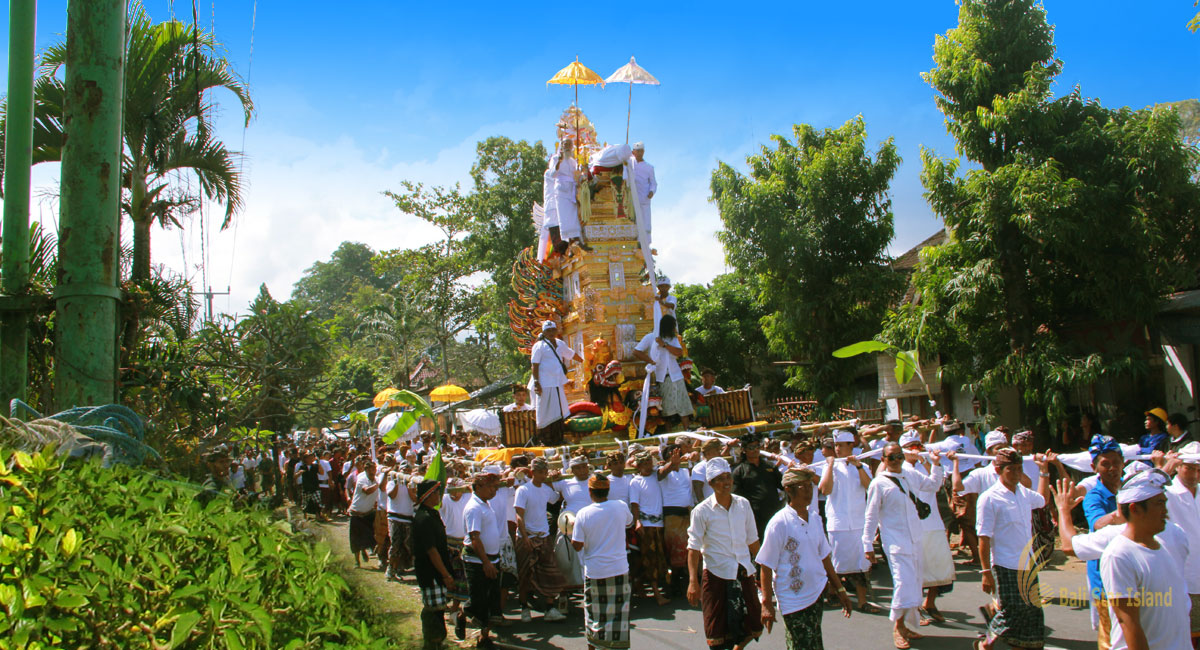
To see a temple at its most vibrant, visiting during an Odalan (temple anniversary) is incredible — you will see hundreds of locals in traditional white attire carrying tall towers of fruit. However, if you prefer peace and quiet, early morning between 7:00 AM and 9:00 AM is best.
Can I visit a temple during a ceremony if I am not Hindu? Generally yes, as an observer from the outer areas. You are welcome to watch. Joining the inner ceremony prayer circle is not expected of tourists. If specifically invited by a local to participate, you may accept with gratitude and follow their lead on behaviour.
During ceremonies, stay on the outer edges, never block the path of worshippers, and turn your phone to silent. The ceremony is not happening for you — you are a guest of it.
Bali Temple Etiquette by Location: Three Key Temples
Uluwatu Temple
Clifftop sea temple with the famous Kecak fire dance at sunset. Sarong required at entry — rentals available at the gate. Secure your belongings; the area is home to mischievous monkeys that will snatch glasses, phones, hats, and bags without warning. Staff carry slingshots to deter them, but stay alert.
Tanah Lot
The iconic sea temple at low tide. The inner shrine is only accessible to Hindu worshippers. Tourists are welcome in the outer areas — the view is spectacular from the surrounding cliffs regardless. Sarong and sash required for all entry.
Besakih (Mother Temple)
Bali’s most important temple complex — dress rules are strictly observed. This is the most sacred site on the island, and the dress code is enforced more rigorously than anywhere else. Bring your own sarong. Be prepared for a longer walk and potentially crowded conditions. Entrance fees apply and are higher than most other temples.
Cultural Etiquette Beyond the Temple
Bali temple etiquette extends beyond the temple walls. A few customs that apply throughout the island:
- Offerings on the ground (canang sari): You will see them everywhere — at doorways, on streets, at the base of trees. Never step on them, kick them, or move them. Walk around carefully.
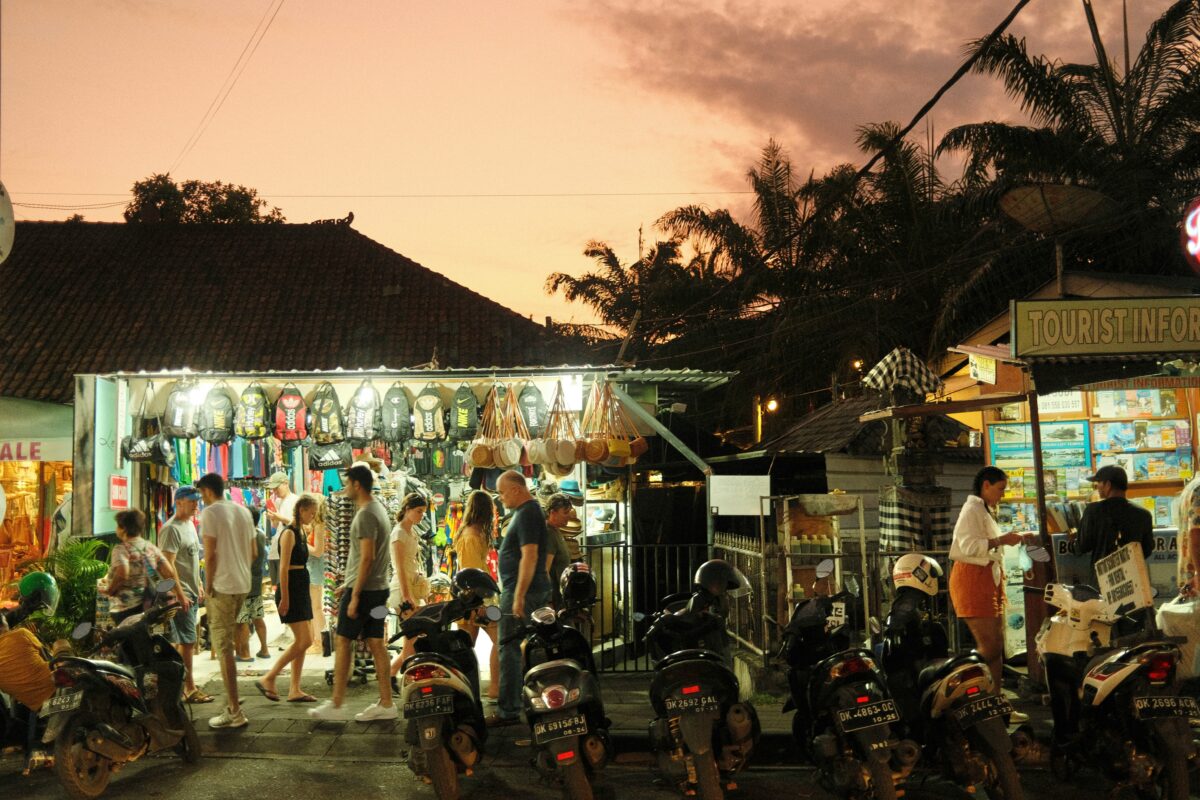
- Dress modestly in villages and markets. Beach and resort areas accept swimwear and beach clothes. On the main tourist streets, light casual wear is fine. In village, market, and inland areas, cover shoulders and legs out of respect, even if not visiting a temple.
- Greeting locals: A slight bow with hands pressed together (“namaste”) is always appreciated. “Om Swastiastu” is the traditional Balinese Hindu greeting — locals will be genuinely delighted if you use it.
- If you accidentally offend someone: “Maaf” (sorry) with a slight bow of the head and an apologetic expression goes a long way. Balinese people generally extend grace to tourists who show genuine remorse.
Quick Reference: Bali Temple Etiquette Checklist
| Rule | Detail | Enforced? |
|---|---|---|
| Sarong | Cover legs to mid-calf minimum | ✅ Yes — at gate |
| Sash | Tied around waist over sarong | ✅ Yes — at gate |
| Covered shoulders | No tank tops, sleeveless tops | ✅ Yes — at gate |
| Remove shoes | At temple interiors | ✅ Yes |
| Tourist levy QR | Rp150,000 paid at lovebali.baliprov.go.id | ✅ Yes — increasingly checked |
| No head touching | Adults and children | Cultural expectation |
| Right hand only | Giving/receiving anything | Cultural expectation |
| No photography during prayer | Without explicit consent | Staff may intervene |
| Menstruation restriction | Inner sanctum only, by convention | Personal observance |
| Step around offerings | Canang sari on the ground | Cultural expectation |
What to Pack for Temple Visits in Bali
- Your own sarong (cotton or rayon, covers to mid-calf) — saves rental fees and queues
- A lightweight scarf — doubles as shoulder cover at temples and sun protection on the road
- Slip-on sandals — easy to remove at every entrance
- The Love Bali QR code — screenshot it so it’s accessible offline
- Small bills in cash — for entrance fees, sarong rentals, and donations
- A small bag for shoes — handy at temples with long interior walkways
Final Thought: Be a Guest, Not a Tourist
The Balinese are among the most gracious hosts you will encounter anywhere in the world. They have welcomed millions of visitors into their most sacred spaces — and they continue to do so with extraordinary patience and warmth. The least any visitor can do is arrive prepared, dressed appropriately, and genuinely curious about what they’re experiencing rather than simply how it looks on a screen.
Bali temple etiquette isn’t complicated. It asks for modesty, quiet, and basic human respect. The reward — being present in one of the world’s most living spiritual cultures — is more than worth the effort of getting it right.
Planning your Bali visit? Read our guide to getting around Bali and discover the best snorkeling spots in Bali for a complete island experience. Browse our collection of authentic Balinese crafts — each piece is made by local artisans who live and work within this same rich cultural tradition.
Have a question about visiting a specific temple or attending a ceremony? Drop it in the comments — we’re happy to help you prepare.