Blog
Bali Tourist Scams 2026: What to Watch Out For & How to Avoid Them



Let’s get one thing straight before we start: Bali is one of the safest tourist destinations in Southeast Asia. Violent crime against tourists is genuinely rare. The vast majority of Balinese people are warm, honest, and proud of their island. Most visitors spend a week or two in Bali and never encounter a single problem.
But Bali tourist scams do exist — and they are concentrated, predictable, and almost entirely avoidable once you know what they look like. They are not violent. They are not sophisticated. They rely on one thing: tourists who haven’t been briefed on what to expect.
This guide covers every significant scam operating in Bali in 2026 — how each one works, where it happens, exactly what to do, and what to say. Read it once before you land and you’ll be better prepared than 90% of the tourists who arrive every day.
The Most Common Bali Tourist Scams — By Category
1. Money Changer Scams: The Fast-Count Trick
This is the most common scam in Bali, and it has been running for decades. Unlicensed money changers — often operating from small kiosks in Kuta, Seminyak, and tourist alleys — advertise exchange rates significantly better than licensed operators. The rate on the board is real. What happens next isn’t.
How it works: You hand over your foreign currency. The counter staff counts out your Rupiah quickly, talking and keeping eye contact while their hands work. Using sleight of hand — folding bills, palming notes, or counting some bills twice — they short-change you by Rp100,000–Rp500,000. By the time you’re back on the street and count your money yourself, you’re already gone and they’ll deny everything.
A variant: the calculator trick. The operator uses a pre-set calculator that shows a favourable number, then manually adjusts the amount of cash they give you downward while you’re distracted reading the screen.
How to avoid it:
- Use only licensed money changers — Central Kuta, BMC (Bali Money Changer), and PT Dirgahayu are the three most trusted, with branches across the island.
- Count every note yourself before leaving the counter. Do not let them rush you.
- If the rate they’re offering is Rp500–Rp1,000 per dollar better than Central Kuta or BMC, that gap is the scam.
- “No commission” signs are not a safety signal — they’re sometimes used by the worst operators.
See our full cash or card in Bali guide for licensed money changer locations by area.
2. Taxi and Transport Scams: Meter Refusal and Price Games
Transport is where most first-day frustrations happen. The pattern is consistent: unofficial drivers quote prices 3–5x the real rate to tourists who don’t know what a fair fare looks like.
Meter Refusal
How it works: A taxi driver at the airport, hotel, or tourist area refuses to use the meter, claiming “the meter is broken,” “traffic is bad today,” or simply quoting a fixed price before you get in. The fixed price is always substantially higher than what a metered fare would cost.
How to avoid it: Use Grab or Gojek (ride-hailing apps) for all point-to-point trips — the app shows you the real market price before you confirm. For metered taxis, only use Blue Bird Taxi — identifiable by the blue bird logo and light-blue paintwork. If the meter doesn’t start when you get in, get out.
Fake Blue Bird Taxis
How it works: Some unofficial operators paint their cars a similar shade of blue and add a generic bird logo to mimic Blue Bird’s branding. Up close, the logo is slightly different and the car lacks Blue Bird’s official signage.
How to avoid it: Download the MyBluebird app and book directly — this eliminates any fake. If hailing on the street, check the official Blue Bird logo carefully and confirm the meter starts at the official flag-fall rate (Rp7,000–Rp10,000).
Airport Taxi Overcharging
How it works: Unofficial drivers at Ngurah Rai airport approach arriving passengers before they reach the official taxi counter, offering “private transfers” at inflated rates. Some are aggressive or persistent.
How to avoid it: Walk past everyone who approaches you before the official taxi counter. Pre-book a Grab or Gojek from inside the arrivals hall using the airport WiFi — order from the main lobby, then walk to the official ride-app pickup zone. Alternatively, use the official airport taxi counter with a fixed metered rate.
Fair 2026 rates for reference:
- Airport to Kuta / Seminyak: Rp80,000–Rp120,000 via app
- Airport to Canggu: Rp150,000–Rp200,000 via app
- Airport to Ubud: Rp250,000–Rp300,000 via app
- Airport to Nusa Dua: Rp80,000–Rp120,000 via app
For a full breakdown of transport options, see our getting around Bali guide.
3. Temple Scams: Fake Guides, Forced Donations, and Overpriced Sarongs
Bali’s temples attract millions of visitors and, unfortunately, a small number of people looking to take advantage of tourists who don’t know what is and isn’t genuinely required for entry.
The Fake Donation Guestbook
How it works: Someone in traditional dress — sometimes positioned just before the official entrance — approaches you with a guestbook showing entries from previous tourists alongside large “donation” amounts ($50, $80, $100 USD). They claim the donation is mandatory for entry and show you what “others” have given. The guestbook is fake, the person is not temple staff, and no such donation is required.
How to avoid it: Research the official entry fee for any temple before you visit. Pay only at the official ticketing booth with a printed ticket. If someone approaches you before the official gate, politely decline and keep walking to the official entrance. Legitimate temple staff do not approach tourists on the street.
Inflated Sarong Rental
How it works: Unofficial individuals near the entrance insist you rent a sarong from them at Rp50,000–Rp100,000, when the standard official rental is Rp10,000–Rp20,000 or a small voluntary donation.
How to avoid it: Bring your own sarong. A basic cotton sarong costs Rp50,000–Rp100,000 at any market and pays for itself after one temple visit. If you don’t have one, go to the official rental counter inside the gate, not anyone operating outside it.
The “Closed Temple” Redirect
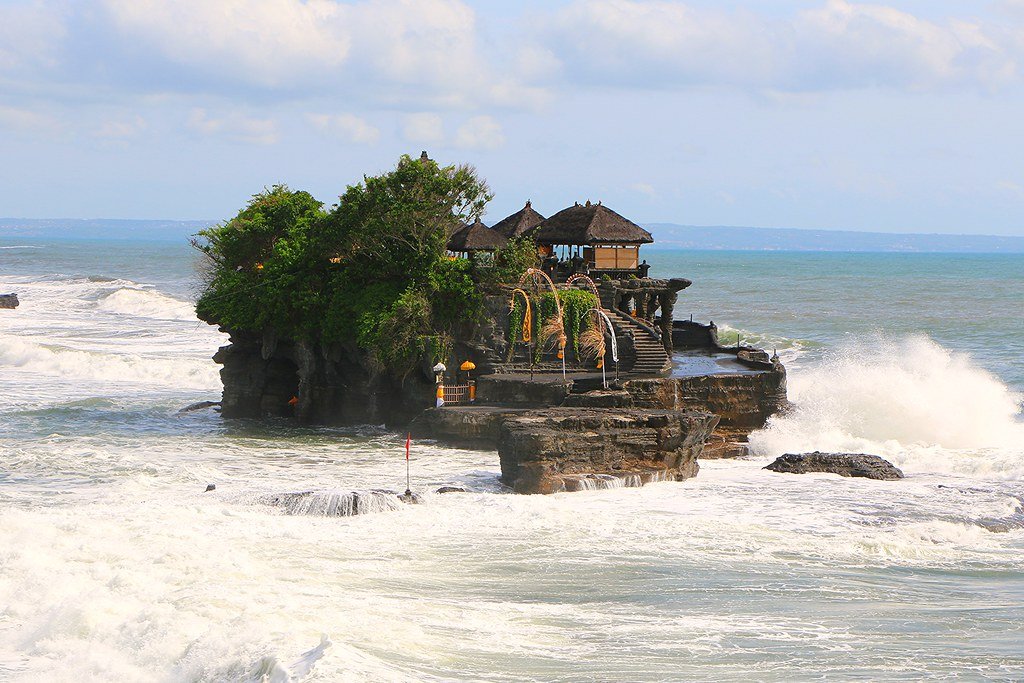
How it works: A friendly local on a scooter or on foot tells you that your destination (often Tanah Lot or a popular temple) is “closed today for ceremony” or “under renovation.” They helpfully offer to take you to another temple or attraction — one where they receive a commission from the shop or venue they bring you to.
How to avoid it: Verify temple status directly via Google Maps or official tourism websites before setting out. If someone tells you something is closed, check for yourself before changing plans. Most major temples are open daily, and “closed for ceremony” is almost never a reason visitors can’t enter the outer areas.
Fake Temple Guides
How it works: A local in traditional dress offers to guide you through the temple, giving explanations of the layout and significance. At the end, they demand aggressive payment — sometimes Rp200,000–Rp500,000 — or emotionally guilt-trip you into paying far more than you intended.
How to avoid it: If you want a guide, agree the fee explicitly before they begin. A fair rate for a temple guide is Rp50,000–Rp100,000 for a short tour. If you didn’t ask for a guide and someone starts following you, politely but firmly say “no thank you” immediately.
4. Scooter Rental Scams: Pre-Existing Damage and Passport Traps
Renting a scooter is one of the most enjoyable ways to explore Bali — and one of the areas where tourists most commonly lose money to avoidable scams.
The Pre-Existing Damage Claim
How it works: You rent a scooter, ride it, return it undamaged. The rental shop then “discovers” scratches or damage that was already on the bike before you took it, and demands Rp500,000–Rp2,000,000 for repairs. Some operators photograph the bike after you return it, add a fresh scratch themselves, and then claim you caused it.
How to avoid it: Photograph and video the entire scooter — every panel, every scratch, every dent — before you ride away, and show the footage to the rental agent. Do this even if the rental shop photographs it themselves. Email or WhatsApp the photos to yourself immediately so they are timestamped. When you return the bike, conduct the same inspection with the agent present.
The Passport Deposit Trap
How it works: The rental shop asks for your passport as a deposit instead of cash. If any dispute arises about damage or fees, they refuse to return your passport until you pay — leaving you stranded without your most important travel document.
How to avoid it: Never hand over your passport as a deposit. Ever. Offer a cash deposit (Rp200,000–Rp500,000) or a clear photocopy of your passport page instead. Any reputable rental shop will accept this. If they insist on the original, go to a different shop.
The Lost Key Setup
How it works: Your scooter key disappears while parked at a beach or tourist site — sometimes stolen intentionally by someone connected to a “helpful” local who appears moments later offering to solve the problem for Rp1,000,000 or more.
How to avoid it: Keep your key on your person at all times — never in a jacket on the scooter, never left in the ignition. If a key goes missing, contact the rental company directly and do not negotiate with a stranger who appeared to “help.”
5. Fake Police Stops: The Unofficial Fine
How it works: Someone in a partial police uniform or plainclothes stops you on a scooter, claiming you committed a traffic violation — no helmet, no license, wrong lane. They offer to “settle this without going to the station” for a cash payment of Rp200,000–Rp500,000 on the spot.
How to avoid it: Real Indonesian police stops do happen and real fines exist. The corruption version is distinguishable by the offer to settle privately and the absence of official paperwork. If stopped, ask to see official identification and a printed fine notice. If they are legitimate, you will receive documentation. If they are not, stay calm and say you would prefer to go to the station — this often ends the encounter immediately. Ride legally: valid motorcycle license, International Driving Permit, helmet at all times. This eliminates the vulnerability entirely.
6. Fake Tour Operators and Online Booking Scams
Street Tour Sellers
How it works: Someone on the street or at your accommodation offers tours to Komodo, Mount Batur, white-water rafting, or other activities at prices significantly below market rate. The tour either doesn’t exist, uses unsafe operators, or includes hidden costs not mentioned upfront.
How to avoid it: Book tours through your hotel, through reputable operators with Google reviews from the last 3 months, or through established online platforms (Viator, GetYourGuide, Klook). For activities with safety implications — rafting, volcano hikes, diving — never book from a street tout regardless of price.
Fake Villa and Accommodation Listings
How it works: Convincing villa listings on social media or unofficial websites show beautiful properties at suspiciously low prices. After paying a deposit or full amount, the villa either doesn’t exist, looks nothing like the photos, or has hidden fees that inflate the total cost significantly.
How to avoid it: Book accommodation exclusively through Airbnb, Booking.com, Agoda, or the property’s own verified website with a Google Maps presence and recent genuine reviews. Never transfer money directly to a WhatsApp contact for accommodation without a verified booking confirmation from a major platform.
7. Petty Theft: The Non-Scam Scams
Not scams in the traditional sense, but common enough to mention:
Phone Snatching from Scooters
Phones held loosely while walking near traffic — or used while stopped on a scooter — are easy targets for a quick grab from a passing motorbike. Keep your phone in a bag or pocket when near roads, especially in busy areas like Kuta and Seminyak.
Monkey Theft at Uluwatu and Sacred Monkey Forest
Not a human scam, but a consistent one: the monkeys at Uluwatu Temple and Sacred Monkey Forest Ubud will take sunglasses, hats, phones, bags, and anything loosely held. Staff at both sites will “negotiate” with the monkeys to return stolen items — for a banana. Secure all valuables before entering.
Bag Theft at Beaches and Cafes
Bags left unattended on the beach or chairs pushed back from cafe tables are targets. Keep valuables in a bag close to your body, and do not leave phones on cafe tables in tourist areas.
8. The Ceremony Roadblock “Donation”
How it works: A rope or makeshift barrier is placed across a road near a village. Locals inform you that a ceremony is in progress and request a “donation to the community” before allowing vehicles through. The ceremony may genuinely be happening — but the roadblock toll is informal and the money goes to the individuals holding the rope, not any community fund.
How to avoid it: A small voluntary contribution (Rp10,000–Rp20,000) is reasonable if you want to continue. You can also politely wait or find an alternative route. Do not feel obligated to pay large amounts regardless of what is suggested.
9. The Clipboard Charity Scam
How it works: Someone approaches with a clipboard, claiming to collect donations for a local school, orphanage, or temple. They show you names of previous donors alongside large amounts, creating social pressure to match. There is no school, no orphanage, and no accountability for where the money goes.
How to avoid it: Politely decline and keep walking. If you want to support local causes in Bali, research verified charities and donate directly.
10. Fake Rupiah Notes
How it works: At night markets or poorly lit roadside vendors, you receive counterfeit Rupiah notes as change. The forgeries are usually lower-denomination notes and are most often passed at night when lighting makes close inspection difficult.
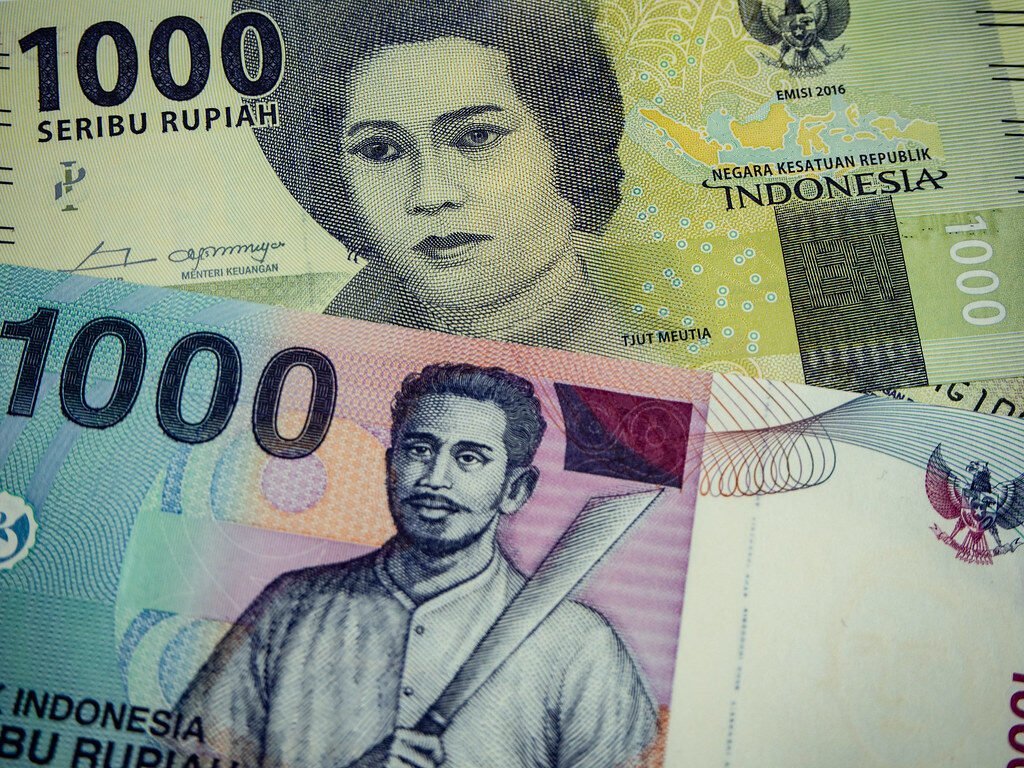
How to avoid it: Familiarise yourself with what real Rupiah notes look and feel like. Check for the security thread running through the note and the watermark visible when held to light. Use larger, reputable vendors at night and check your change before you leave.
What to Do If You Get Scammed in Bali
If something goes wrong, here are your options:
- Small amounts (under Rp200,000): Assess whether the stress of pursuing it is worth your time. Sometimes it is simply not.
- Larger amounts or serious incidents: Contact the Bali Tourist Police, who speak English and handle tourist complaints: +62 361 224111. Keep any receipts, photos, or messages as evidence.
- Money changer disputes: Licensed operators are regulated by Bank Indonesia. If you were short-changed at a licensed changer, ask for the manager and request their Bank Indonesia license number — this often resolves disputes quickly.
- Online booking fraud: File a dispute with your credit card or payment platform immediately. Report the listing on whatever platform it appeared on.
- Report to Google Maps and TripAdvisor: Flagging scam businesses on review platforms prevents the next tourist from the same experience. This is genuinely useful.
The Universal Bali Scam Defence: Three Rules
Across every category above, every scam in Bali is defeated by the same three behaviours:
- Agree the price before any service begins. Transport, guides, activities, sarong rental — if the price isn’t confirmed before you start, you have no ground to stand on at the end.
- Count your money or check your goods before you walk away. At money changers, at markets, at any cash transaction. Do it slowly, in front of the person, without apologising for taking time.
- Never feel rushed to accept an offer. Every scam in Bali relies on speed and pressure. A good service never needs you to decide this second. If someone is rushing you, that is the signal to slow down, not to hurry up.
Bali Scams Quick Reference Table
| Scam | Where It Happens | One-Line Defence |
|---|---|---|
| Money changer fast-count | Kuta, Seminyak, tourist alleys | Use Central Kuta or BMC only, count yourself |
| Taxi meter refusal | Airport, hotels, busy streets | Use Grab, Gojek, or Blue Bird only |
| Fake Blue Bird taxi | Tourist areas, airport | Book via MyBluebird app, not street hail |
| Temple donation guestbook | Outside temple gates | Pay only at official ticketing booth |
| Inflated sarong rental | Outside temples | Bring your own sarong |
| Closed temple redirect | Roads near temples | Verify via Google before changing plans |
| Scooter damage claim | Rental shops everywhere | Photograph every scratch before riding |
| Passport deposit trap | Scooter rental shops | Never hand over your passport |
| Fake police fine | Roads, scooter routes | Ask for documentation, offer to go to station |
| Fake tour operators | Streets, touts | Book through hotel or verified platform only |
| Clipboard charity | Tourist areas, beaches | Politely decline and keep walking |
| Ceremony roadblock | Village roads | Small voluntary contribution or find alt route |
| Phone snatching | Busy roads, Kuta, Seminyak | Keep phone in bag near roads |
| Monkey theft | Uluwatu, Monkey Forest | Secure all valuables before entering |
A Final Note on Perspective
None of the above should make you nervous about going to Bali. It should make you prepared. There is a significant difference.
The tourists who have the worst experiences in Bali are not the ones who encountered the most scams. They are the ones who were unprepared and felt helpless when something went wrong. The tourists who have the best experiences are not the ones who were the most suspicious — they are the ones who were informed enough to spot a problem early and confident enough to walk away from it.
Bali is extraordinary. Its culture, its landscapes, its people, and its food are worth every bit of the preparation this guide requires. Know what to expect. Go anyway. Enjoy every minute of it.
Before you land, read our complete guide to getting around Bali — including which taxis to trust, how Grab and Gojek work, and when a private driver makes more sense. And for everything you need to know about handling money in Bali, our cash or card in Bali guide covers ATM fees, licensed money changers, and how much cash to carry each day.
Have you encountered a scam in Bali that isn’t on this list? Share it in the comments — your experience helps the next traveller arrive prepared.