Blog
Cash or Card in Bali? The Honest 2026 Money Guide

Every first-time visitor to Bali asks the same question before they land: should I bring cash or rely on my card? The honest answer is neither — and both. Bali in 2026 is a genuinely split economy. The beach club in Seminyak takes contactless Visa. The warung next door is cash only. The rice terrace view point takes QRIS. The ojek driver takes whatever you have in your hand.
Understanding cash or card in Bali isn’t about picking one — it’s about knowing which to reach for in which situation. This guide gives you the complete, honest picture for 2026: the best ATMs, the worst fees, how much cash to carry, where cards work, and the traps that quietly drain money from unprepared tourists every single day.
The Short Answer: Use Both Cash and Card in Bali
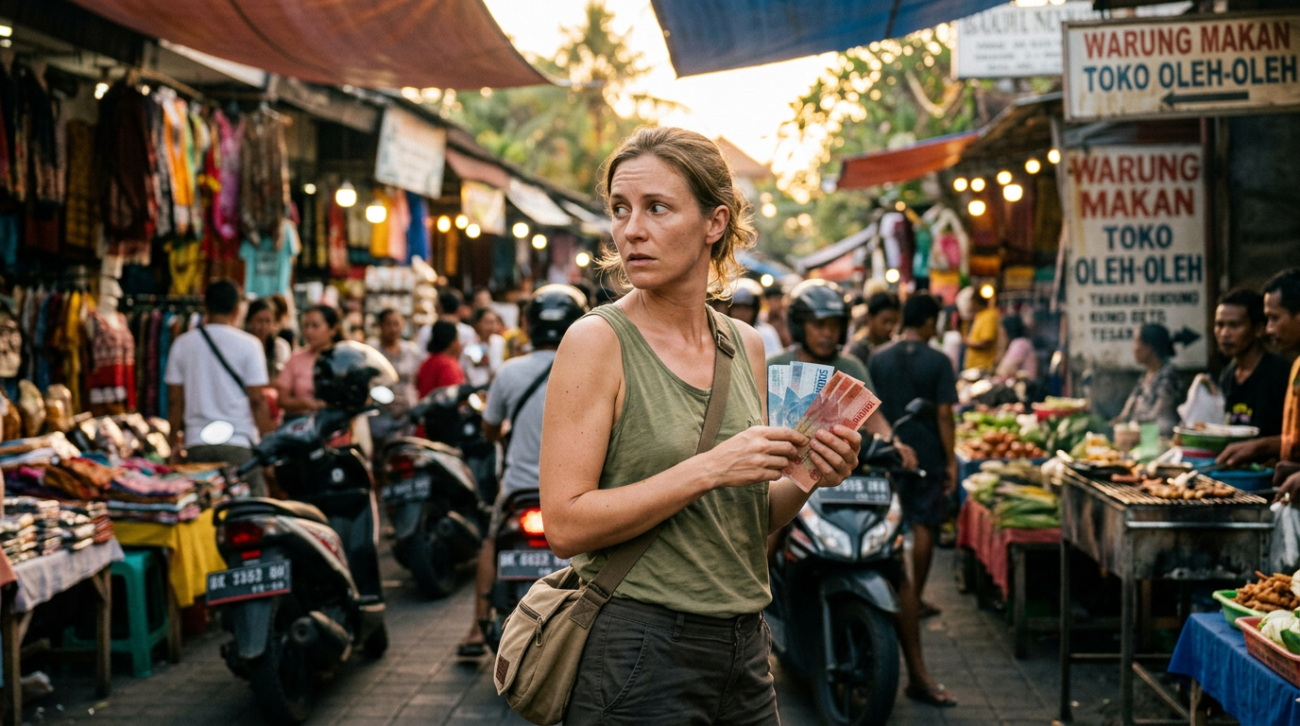
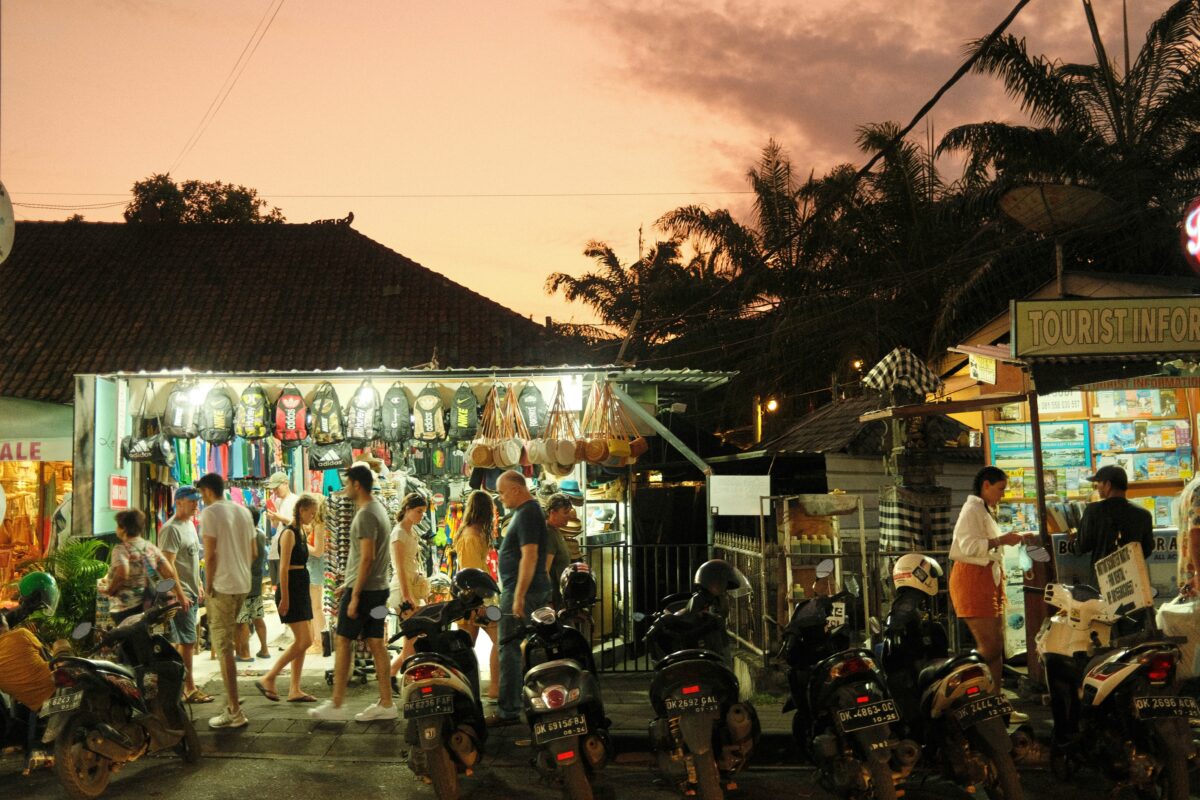
Between half and two thirds of small daily transactions in Bali are still cash-based. Cash is essential for street food, local transport, markets, traditional shops, warungs, offerings, and tips. Cards work well at hotels, mid-range to upscale restaurants, beach clubs, shopping malls, and tourist activity operators. QRIS — Indonesia’s unified QR payment system — has become surprisingly widespread in 2026 and is worth understanding even as a short-term visitor.
The single biggest money mistake tourists make in Bali isn’t using the wrong payment method. It’s not preparing properly and being forced into bad decisions — exchanging money at the airport, using a standalone tourist ATM, or agreeing to pay in their home currency when the machine asks.
Here’s how to avoid all of that.
Understanding the Indonesian Rupiah Before You Arrive
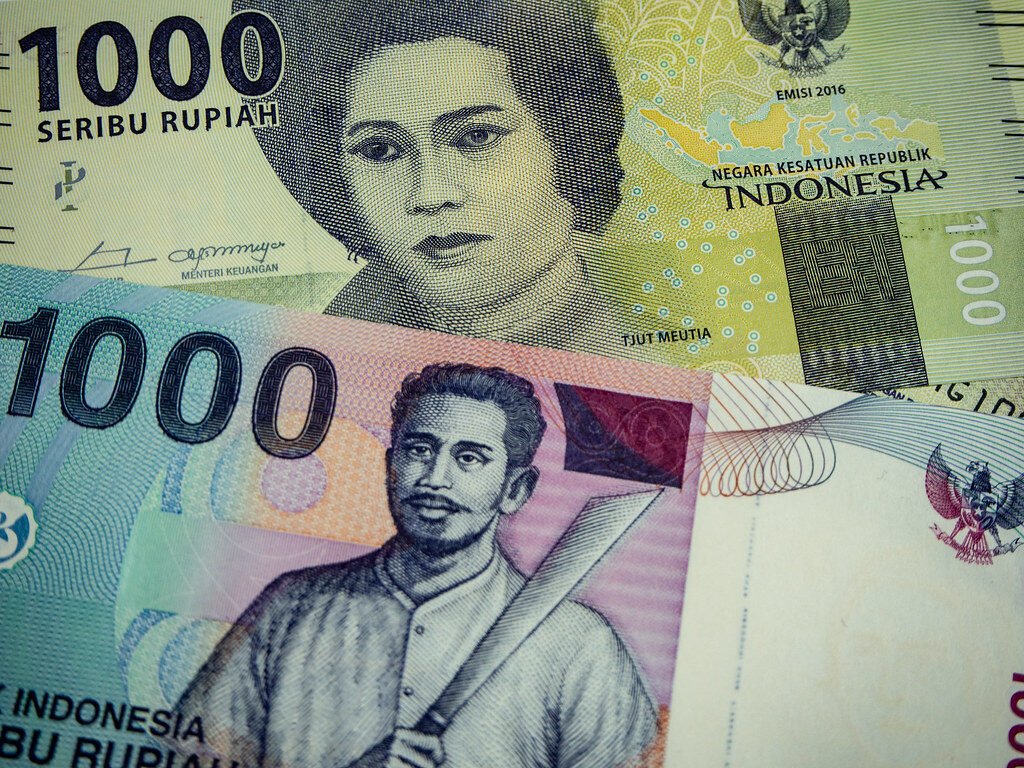
The Indonesian Rupiah (IDR or Rp) trades at approximately Rp17,960 per USD in 2026. That’s a lot of zeros, and it trips up nearly every first-time visitor. A Rp100,000 note — the largest denomination you’ll commonly use — is worth about $5.50 USD. A street meal at a warung costs Rp25,000–Rp40,000. A taxi across Kuta runs Rp50,000–Rp80,000.
Common banknotes you’ll encounter: Rp1,000, Rp2,000, Rp5,000, Rp10,000, Rp20,000, Rp50,000, and Rp100,000. The Rp50,000 note (blue, featuring Djuanda Kartawidjaja) and the Rp100,000 note (red, featuring Sukarno and Hatta) will be your most used. Carry a mix — many small vendors and drivers cannot break a Rp100,000 note.
The One Rule That Saves Every Tourist Money: Always Choose IDR
Every ATM in Bali and many card payment terminals will ask you a question that sounds helpful: “Would you like to be charged in USD (or your home currency) or IDR?”
Always choose IDR. Always.
This is called Dynamic Currency Conversion (DCC), and it is one of the most expensive traps in Bali. When you choose your home currency, the ATM or terminal sets the exchange rate — and it is consistently 5–10% worse than the real market rate. Your home bank may still charge a foreign transaction fee on top of that. Choosing IDR means your home bank applies its own (usually better) exchange rate. The difference across a week of transactions can add up to tens of dollars in avoidable losses.
ATM Safety Tips: Protecting Your Card in Bali
- Use ATMs at bank branches or inside malls — monitored by security cameras and staff, less vulnerable to skimming devices.
- Check the card slot before inserting — skimming devices are placed over the slot. If it feels loose, wiggly, or has an unusual colour, go to a different machine.
- Cover the keypad with your hand when entering your PIN — skimmers often install tiny cameras above the number pad.
- Withdraw on weekday afternoons when machines are freshly stocked. Sunday night is the worst time — machines run dry from weekend traffic and only get restocked Monday morning.
- Take your card before walking away — some Bali ATMs have a slight delay before returning the card. Do not leave without it.
- Notify your bank before departure — unexpected overseas spending has caused cards to be blocked as suspected fraud. A quick call or in-app notification prevents this.
Where to Exchange Cash: Licensed Money Changers
For tourists bringing foreign cash (USD, AUD, EUR, GBP), a licensed money changer in town consistently gives better rates than airport counters, hotel exchanges, or ATM withdrawals. Three operators are universally trusted by long-term Bali visitors:
Central Kuta Money Exchange
Operating since 1985, directly licensed by Bank Indonesia. Competitive rates, transparent process, receipt for every transaction, and branches all over the island — Seminyak, Canggu, Kuta, Nusa Dua, and more. Open daily 10am–10pm. The most consistent recommendation among frequent Bali visitors for decades.
BMC (Bali Money Changer / PT Bali Maspintjinra)
In operation since 1993, known for zero-commission exchanges, fair rates, and professional service. Branches in Seminyak, Legian, Sanur, Kerobokan, and Kuta. BMC is consistently rated as honest and reliable with no sleight-of-hand counting.
PT Dirgahayu Valuta Prima (Bali Best Rate)
Operating since 1984, with branches in Kuta, Sanur, Ubud, and near Tanah Lot. No-commission policy and competitive rates updated throughout the day. May require a valid passport or ID for each transaction.
What to avoid: Any money changer quoting rates that seem unusually good compared to others nearby. The “no commission” booths in tourist alleys sometimes use sleight-of-hand counting — they quote a great rate, count out cash quickly, and short you Rp100,000–Rp200,000 while appearing distracted. Always count your notes yourself before leaving the counter, ideally watching the count happen. If a rate is Rp500–Rp1,000 per dollar better than everywhere else, that’s usually the warning sign.
Airport and hotel exchanges: Convenient but consistently poor rates. Exchange only the minimum you need for a taxi to your accommodation (Rp100,000–Rp200,000), then sort the rest in town.
Note on currencies: USD is the easiest foreign currency to exchange in Bali and usually gets the best rates. AUD, EUR, and GBP are also widely accepted. Bring crisp, clean, undamaged notes — torn or crumpled notes are often refused or exchanged at a lower rate.
Using Cards in Bali: Where They Work and Where They Don’t
Card acceptance in Bali follows a fairly clear pattern by venue type:
| Venue Type | Card Accepted? | Notes |
|---|---|---|
| International hotels | ✅ Yes | Visa, Mastercard, Amex (some) |
| Beach clubs (Potato Head, Finns, Ku De Ta) | ✅ Yes | Usually Visa/Mastercard only |
| Shopping malls | ✅ Yes | All major cards accepted |
| Mid-range restaurants (Seminyak, Canggu, Ubud) | ✅ Usually | Always confirm before ordering |
| Surf schools and activity operators | ⚠️ Sometimes | Many prefer cash or QRIS |
| Local warungs and street food | ❌ Rarely | Cash only, sometimes QRIS |
| Traditional markets | ❌ No | Cash only |
| Ojek, local taxis, bemos | ❌ No | Cash only |
| Grab / Gojek (car) | ✅ Yes | In-app card payment |
| Temple entrance fees | ❌ No | Cash only |
QRIS: Bali’s Digital Payment Revolution in 2026
The biggest change to Bali’s payment landscape in recent years is QRIS (pronounced “kris”) — Indonesia’s unified QR code payment system, developed by Bank Indonesia. By 2026, QRIS has over 50 million users and 32 million registered merchants across Indonesia. In Bali’s tourist areas, adoption is close to universal — from high-end restaurants in Seminyak to small warungs in Ubud and fruit vendors in the mountains.
What makes QRIS useful for tourists is that one QR code accepts all Indonesian payment apps. The relevant apps for foreign visitors are GoPay (connected to Gojek) and OVO (connected to Grab) — both can be topped up with an international card.
QRIS cross-border payments: As of July 2026, Bank Indonesia has established direct QRIS connectivity with Thailand, Malaysia, Singapore, Japan, South Korea, and China. If you’re from one of these countries, your home banking app may already support scanning QRIS codes in Bali — check with your bank before departure.
For everyone else: Download GoPay, verify your account using your passport and a local SIM card, link your international Visa or Mastercard, and you can pay via QRIS at almost any merchant. Top up in amounts of Rp200,000–Rp500,000 at a time. Keep a small cash backup for spots with patchy internet — every QRIS transaction requires a live connection.
Best Cards to Use in Bali — By Nationality
The card you use matters as much as the ATM you choose. These are the most recommended options by nationality in 2026:
- Americans: Charles Schwab Visa Platinum Debit Card — refunds all ATM fees worldwide, no foreign transaction fees, no monthly fee.
- Australians: Wise Multi-Currency Card or Revolut — both offer excellent exchange rates and low withdrawal fees.
- British: Wise or Starling Bank — fee-free international spending and ATM withdrawals up to monthly limits.
- Singaporeans: YouTrip or Wise — up to S$400 in free overseas ATM withdrawals per month with YouTrip.
- All nationalities: Wise (formerly TransferWise) is the most universally useful card for Bali — real mid-market exchange rate, low transparent fees, and works in every ATM that accepts Visa.
What to avoid: Standard debit cards from major banks with foreign transaction fees (typically 1.5–3% per transaction plus a fixed withdrawal fee of $3–$7 USD). These fees add up significantly over a week in Bali.
How Much Cash to Carry in Bali — Day by Day
The amounts below are based on a mid-budget solo traveller. Adjust up or down based on your accommodation level and dining habits:
| Day Type | Estimated Cash Needed | What It Covers |
|---|---|---|
| Arrival day | Rp500,000–Rp1,000,000 | Airport transfer, first meal, tips |
| Beach / chill day | Rp200,000–Rp400,000 | Warung meals, drinks, small purchases |
| Temple / culture day | Rp500,000–Rp800,000 | Entrance fees, sarong rental, transport, food |
| Market / shopping day | Rp500,000–Rp2,000,000+ | Crafts, clothing, souvenirs (cash preferred) |
| Day trip (Ubud, waterfall) | Rp400,000–Rp700,000 | Driver tip, entry fees, meals on the road |
| Departure day | Rp300,000–Rp500,000 | Airport transfer, final coffee, tips |
General rule: carry Rp500,000–Rp1,000,000 in your wallet as a daily buffer. Withdraw larger amounts less frequently to minimise per-withdrawal fees — one large withdrawal of Rp3,000,000 at a BCA ATM is significantly better than three withdrawals of Rp1,000,000.
Six Money Mistakes That Cost Tourists Every Day in Bali
- Exchanging money at the airport. Airport exchange rates are consistently the worst on the island. Exchange only enough for your first taxi (Rp100,000–Rp200,000) and sort the rest at a licensed money changer in town.
- Choosing your home currency at the ATM or payment terminal. Dynamic Currency Conversion adds 5–10% to every transaction. Always choose IDR.
- Using standalone tourist ATMs. Higher fees, inflated rates, and greater skimming risk. Always use bank-branded machines inside branches or reputable malls.
- Not notifying your bank before departure. Unexpected overseas spending gets flagged as fraud and your card gets blocked. A two-minute in-app notification prevents this completely.
- Trusting a great-looking exchange rate from an unlicensed changer. If the rate seems Rp500–Rp1,000 better than everywhere else, the catch is in the counting. Stick to Central Kuta, BMC, or Dirgahayu.
- Not carrying small denominations. Warungs, drivers, and market stalls often cannot break a Rp100,000 note. Always keep a supply of Rp10,000–Rp50,000 notes for daily spending.
The Practical Setup: What to Do Before You Land
- ✅ Get a Wise or Revolut card if you don’t have one — they save more money in ATM fees than almost any other preparation.
- ✅ Notify your home bank of your travel dates and Bali as a destination.
- ✅ Download Grab and Gojek before landing — useful for transport and, if you set up GoPay or OVO, for QRIS payments.
- ✅ Check your daily international withdrawal limit with your bank — some have low caps that force multiple withdrawals.
- ✅ Bring some USD cash in crisp, clean notes if you want to use a money changer — USD gets the best exchange rates in Bali.
- ✅ Don’t bring a large amount of your home currency if it’s not USD, AUD, EUR, or GBP — obscure currencies are harder to exchange at good rates.
Final Answer: Cash or Card in Bali?
Use cash for: warungs, street food, local markets, traditional shops, temple entrance fees, drivers, tips, and any transaction under Rp100,000.
Use card for: hotel bills, beach clubs, upscale restaurants, shopping mall purchases, Grab and Gojek rides (in-app), and any large transaction where you want a record.
Use QRIS for: mid-range cafes and restaurants, many tourist activity operators, and anywhere you see the QRIS sticker — increasingly, this covers a lot of ground in 2026.
The tourists who spend the least money on fees and the most money on experiences are the ones who withdraw in bulk at BCA, always choose IDR, exchange physical cash at Central Kuta or BMC, and carry a sensible daily cash float. None of it is complicated. It just requires ten minutes of preparation before you land — and this guide has given you all of it.
Planning your Bali trip? Read our guide to getting around Bali — scooter, private driver, Grab, or taxi, we cover them all honestly. And when you’re ready to bring a piece of Bali home, explore our collection of authentic Balinese handmade crafts — from bamboo wind chimes to traditional ikat, all made by local artisans in Kayubihi, Bangli.
Have a money tip from your own Bali trip that we haven’t covered? Share it in the comments — real traveller experience is always worth adding.